 العربية
 Español
 Francés
 Русский
 Português
 Indonesia
 Deutsch
 ภาษาไทย
 日本語
日本語
What is geotextile?
What is geotextile? What types of geotextiles are there? What role does geotextile play in road construction?
Geotextile is a permeable geosynthetic material, usually made of synthetic fibers such as polyester and polypropylene through needle punching or weaving processes. It is widely used in civil engineering and environmental engineering for functions such as reinforcement, protection, isolation, filtration and drainage.
|
|
|
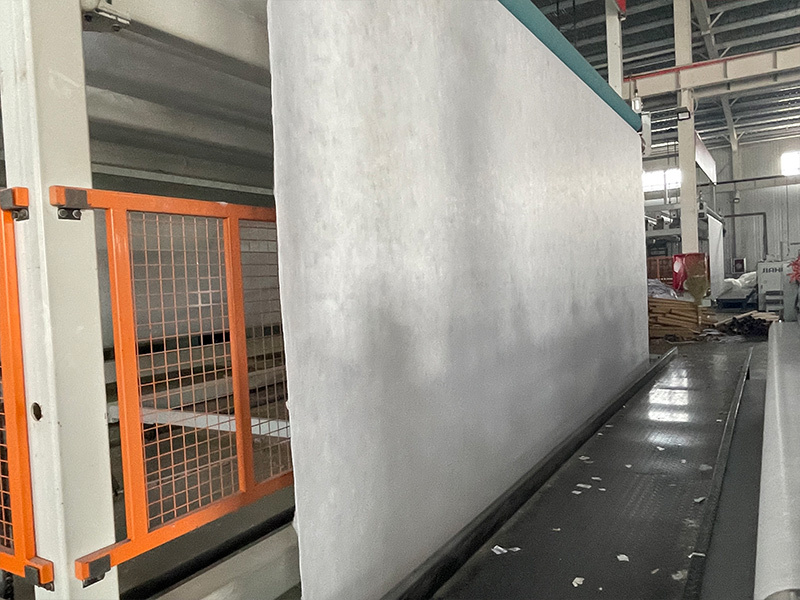
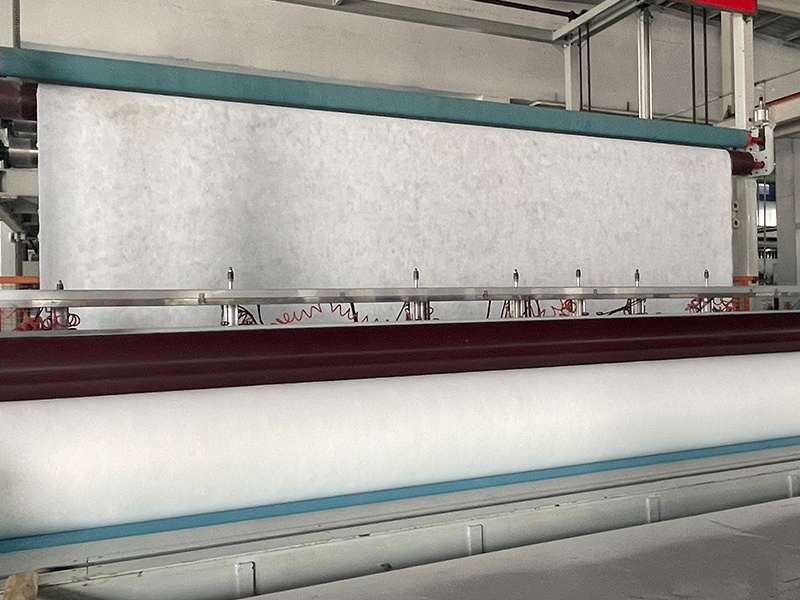
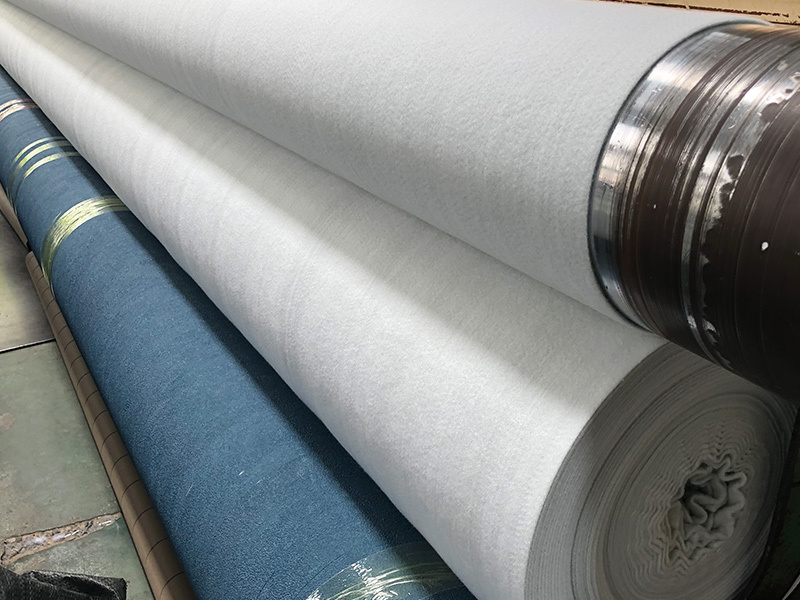
Types and characteristics of geotextiles:
Classification by manufacturing process: Needle-punched non-woven geotextile: The fibers are intertwined and fixed with each other through the needle punching process, and have good mechanical properties and water permeability.
Woven geotextile: The fibers are interwoven together through the weaving process, with high strength and stability, and are often used in projects with high strength requirements.
Thermally bonded geotextile: The fibers are bonded together through the thermal bonding process, with good tensile strength and water permeability.
Classification by raw materials:
Polyester geotextile: high tensile strength, acid and alkali resistance, and good anti-aging performance.
Polypropylene geotextile: light weight, corrosion resistance, and good chemical stability.
Application of Geotextile in Road Construction Isolation effect: Drainage effect: Filtration effect: Protection effect: Geotextiles are widely used in road construction, and their versatility makes them an important material for improving the quality of road projects and extending their service life. Through reasonable selection and design, the performance and durability of roads can be significantly improved. As the world's leading manufacturer of geotextiles products, our commitment to innovation and quality makes us the first choice of engineers, contractors and project managers around the world. If you have a geotextiles project under construction, please feel free to contact us. Our professional sales consultants will provide technical solutions online 24 hours a day. At the same time, we can also provide you with free geotextiles product samples for testing. |


